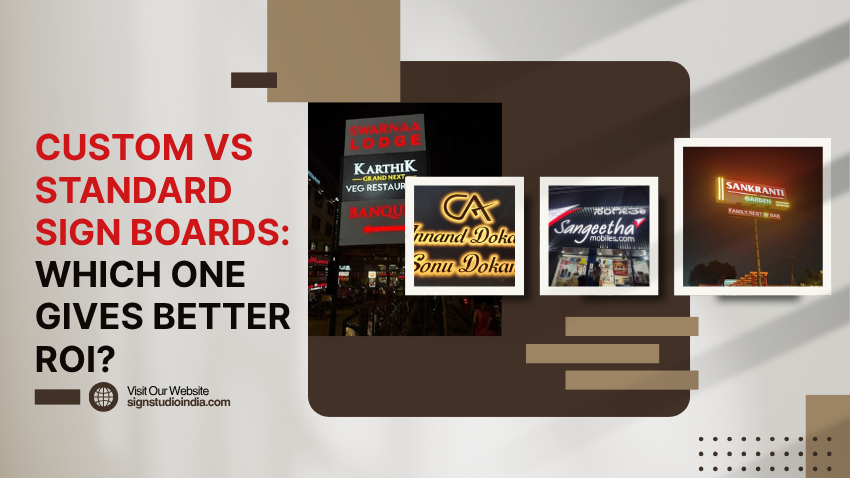

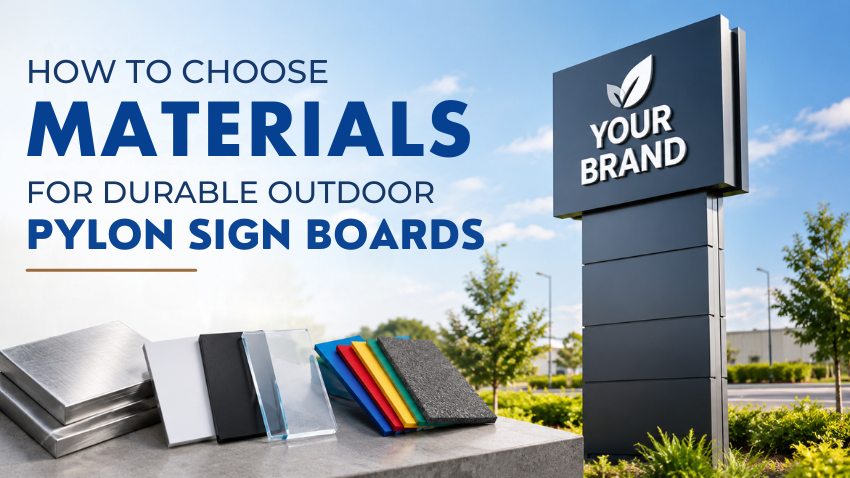
Outdoor pylon sign boards are designed to make businesses visible from a distance. They are commonly used near roads, commercial buildings, shopping areas, hospitals, hotels, petrol stations, and large business premises. Since these signs remain exposed to sunlight, rain, wind, dust, and changing temperatures, choosing the right material is important for long-term performance.
A well-selected material can improve the sign’s durability, appearance, maintenance, and overall value. Here are the key factors to consider when selecting materials for an outdoor pylon sign board.
1. Consider the Weather Conditions
The local climate should be one of the first factors considered. Outdoor signs are constantly exposed to environmental conditions, so the material needs to withstand them without becoming weak or damaged.
For areas with heavy rainfall, moisture-resistant materials are important. If the sign will receive strong sunlight throughout the day, choose materials that offer good resistance to UV exposure. Strong winds also require a sturdy frame and properly selected structural materials.
2. Choose a Strong Structural Frame
The internal frame provides the main support for a pylon sign. Steel and aluminium are commonly considered for sign structures because they offer strength and can be designed according to the required height and size.
Steel provides excellent structural strength and is suitable for larger installations. Proper surface treatment or protective coating is important to reduce the risk of corrosion. Aluminium is lighter and naturally resistant to rust, making it useful where weight and corrosion resistance are important considerations.
3. Select the Right Sign Face Material
The sign face is the visible portion of the pylon. Common options include aluminium composite panels, acrylic, polycarbonate, and other outdoor-grade sheet materials.
Aluminium composite panels are popular because they are relatively lightweight, rigid, and available in different finishes. Acrylic can provide a clean and premium appearance, especially when illumination is incorporated. Polycarbonate is known for its impact resistance and can be useful in locations where the sign may face physical stress.
The choice should depend on the sign’s design, size, lighting requirements, and location.
4. Think About Lighting Requirements
If the pylon sign needs to remain visible at night, the material should work well with the selected lighting system. Acrylic and translucent materials can be suitable for illuminated lettering, logos, and panels.
LED lighting is commonly used because it can provide consistent illumination while using relatively low energy. The sign construction should also protect electrical components from rain and moisture.
5. Check Resistance to Fading and Corrosion
A sign may look attractive when newly installed but lose its appearance if the materials and finishes are not suitable for outdoor use. Paints, laminates, vinyl graphics, and coatings should be selected for exterior applications.
For metal components, corrosion-resistant finishes can help extend the service life. High-quality outdoor-grade graphics can also reduce fading caused by prolonged exposure to sunlight.
6. Consider Maintenance Requirements
Material selection should also consider how easy the sign will be to maintain. A large pylon sign can be difficult and expensive to repair if low-quality materials are used.
Choose surfaces that can be cleaned easily and components that can be accessed when maintenance is required. Good construction also helps prevent water accumulation, loose panels, and premature deterioration.
7. Balance Quality and Budget
The cheapest material is not always the most economical choice in the long run. A low-cost material may require frequent repairs or replacement, increasing the total cost over time.
Instead, compare the expected lifespan, maintenance requirements, appearance, structural strength, and installation conditions. Investing in suitable outdoor-grade materials can provide better long-term value.
8. Work With an Experienced Signage Provider
Material selection becomes easier when you work with a professional signage company. An experienced provider can evaluate the location, sign dimensions, wind exposure, visibility requirements, lighting, branding, and installation conditions before recommending suitable materials.
They can also ensure that the structure, sign face, graphics, lighting, and finishing work together as one durable system.
Conclusion
Choosing the right materials is essential for creating pylon signs that remain strong, attractive, and functional in outdoor environments. Consider weather exposure, structural strength, sign face materials, lighting, corrosion resistance, maintenance, and long-term costs before making a decision.
For businesses looking for durable and professionally designed Pylon Sign Boards in Hubli or reliable Signage solutions in Hubli, SignStudio can help with material selection, design, manufacturing, and installation based on specific business requirements.